The Cook Islands Government is asking everyone in the country, residents, workers and visitors alike to play their part in conserving energy, as it leads a coordinated, all-of-government response to ongoing global fuel supply pressures.
Global fuel markets have been and remain under pressure since the closure of the Strait of Hormuz earlier this year, affecting price and supply across the Pacific. The Cook Islands has reliable supply in place, with the next fuel shipments scheduled to arrive in the coming weeks. Government is putting practical measures in place now to stretch supplies, manage costs, and protect essential services including schools, hospitals, water supply, and emergency response.
The response is being coordinated through the Energy Response Technical Working Group, and brings together the Office of the Prime Minister, the Ministry of Finance and Economic Management, Cook Islands Tourism, the Ministry of Transport, Te Aponga Uira, the Office of the Public Service Commissioner, and is meeting regularly to coordinate supply, demand, communications, and protection of essential services.
Prime Minister Hon. Mark Brown said as a nation, we have always shown that when we work together, we can overcome any obstacle.
“We have fuel. Our next shipments are on the way. Government is leading a coordinated, all-of-government response, and we are working closely with our regional partners,” the Prime Minister said. “What we are asking from every household, every business, and every visitor is simple, please use a little less. Every kilowatt of electricity and every litre of fuel we save now means stronger reserves for our schools, hospitals, water supply, and essential services.”
While the Cook Islands has fuel on hand and supplies arriving in the coming weeks, global pressures are expected to continue to be felt across the Pacific. Households and businesses are encouraged to start planning now. Reviewing energy use, talking with family about how to reduce consumption, and preparing for ongoing pressure on the cost of fuel and energy as global markets remain unstable. Acting early gives households more control, helps stretch the family budget, and cushions the impact as the situation develops.
The Cook Islands public service is leading by example, with conservation measures rolling out across all government agencies. These include reducing non-essential government vehicle use, setting air-conditioning no lower than 25°C, encouraging carpooling and public transport, holding meetings virtually where practical, and switching off lights and equipment at the wall outside operating hours.
To support people to use less private fuel, Government has confirmed that Cook Islands buses will be free for the next three months, with up to four trips per day per passenger. Everyone is encouraged to use the bus where they can.
Households are encouraged to set air-conditioners to 25°C and switch them off when leaving the room, switch appliances off at the wall (devices left on standby can use up to 10 percent of household power), run heavy appliances such as washing machines and dryers outside peak hours, and turn off lights when leaving a room. Anyone with solar at home is encouraged to use solar-powered appliances during the day. For shorter trips, walking, biking, or carpooling can replace driving, and errands can be combined into a single trip.
Businesses and tourism operators are asked to review lighting, refrigeration, and air-conditioning settings, keep doors closed in air-conditioned spaces, and stagger high-energy operations away from peak times where possible.
Cook Islands Tourism Chief Executive Karla Eggleton said the destination remained open and prepared, and that the visitor industry was stepping up alongside the public service.
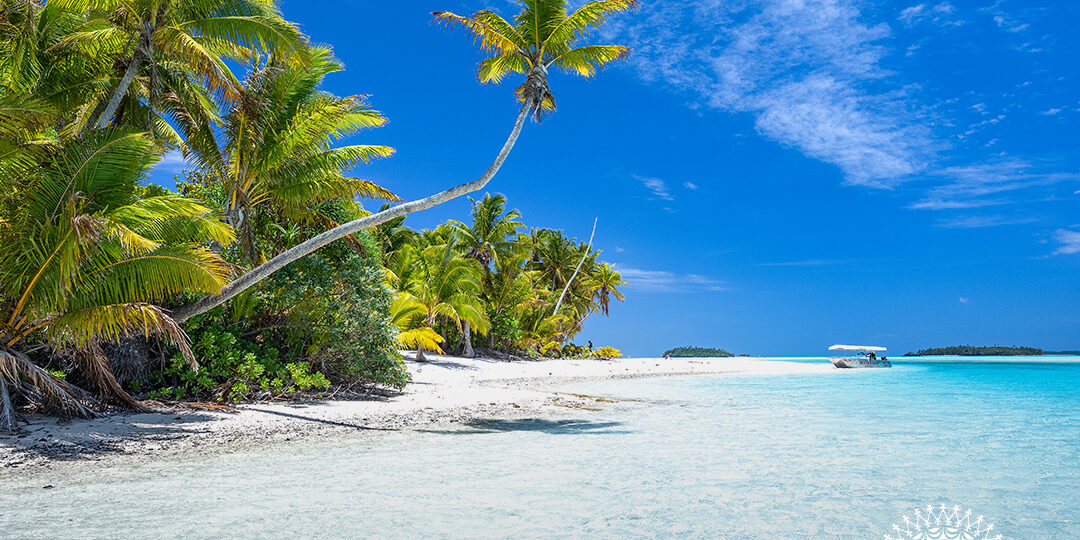
“We know visitors and operators want to do their bit while they are here and during this period, and we are working closely with the sector on practical conservation measures that keep our destination running smoothly. The Cook Islands is open, prepared, and ready to welcome our visitors.”
The current measures sit alongside the Cook Islands’ long-standing commitment to a renewable energy future. Solar capacity has been expanded from 6 megawatts to 8 megawatts, and Government’s plan is for renewables to provide at least 60 per cent of the Cook Islands’ electricity by 2030. Today’s global pressures, and those expected to continue, reinforce why that transition matters, for energy security, cost of living, and the environment. Every action taken across the Cook Islands to conserve energy now is a step toward the renewable, resilient future the country is building together.
Financial Secretary Garth Henderson said the cross-agency response was active and would continue for as long as required.
“Our Technical Working Group is bringing every relevant agency around the same table: supply, transport, the public service, our utility, tourism, and economic settings,” Mr. Henderson said. “Our supply position is stable and our next shipments are on the way. The most powerful thing we can do now is stretch what we have, and that is something every household and business can help with.”
The Cook Islands is also engaging closely with regional partners, including New Zealand, Australia, and the Pacific Islands Forum, to share information, coordinate responses, and ensure the country’s small island context is recognised in regional discussions on fuel security.
Government will continue to share regular updates as the situation develops.